PRP Treatment
Home / PRP Treatment
PRP Treatment
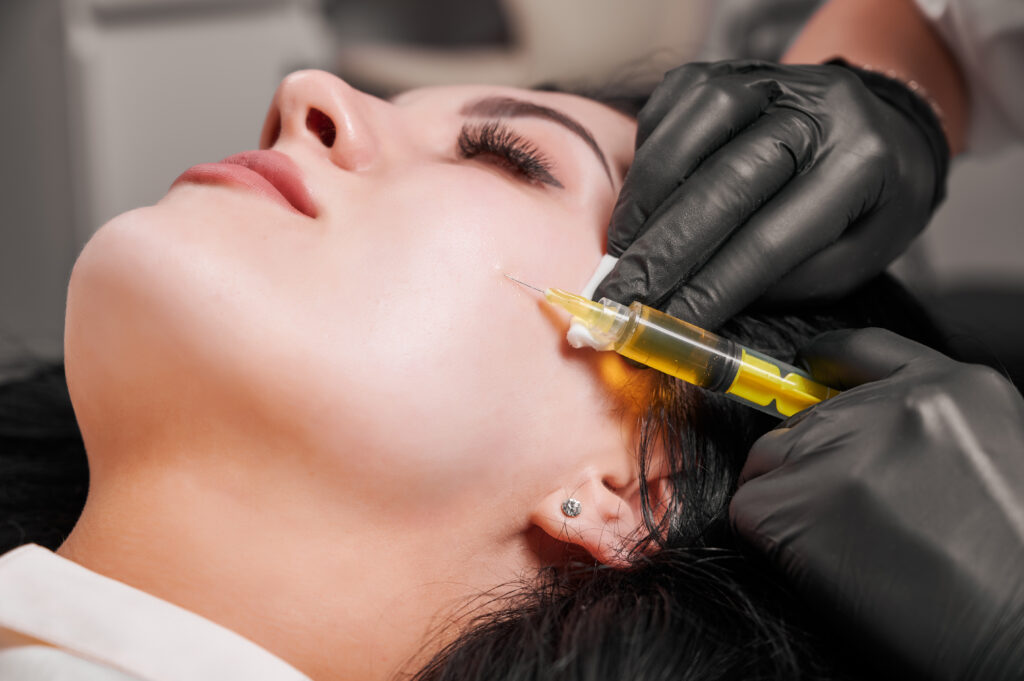
PRP (Platelet-Rich Plasma) Treatment is a natural therapy that utilizes a patient’s own blood to promote healing, regeneration, and rejuvenation of the skin. It is widely used in aesthetic treatments, hair restoration, and injury recovery.
How PRP Treatment Works:
Blood Collection: A small amount of blood (usually 10-20 mL) is drawn from the patient.
Centrifugation: The blood is placed in a centrifuge, which spins it at high speeds to separate the platelets from other blood components, such as red and white blood cells. This process isolates the platelet-rich plasma.
Reinjection or Application: The PRP is then injected into the targeted areas (e.g., face, scalp, or joint) or applied topically (for skin treatments like microneedling). The growth factors in PRP stimulate cell turnover, collagen production, and tissue repair.
Benefits of PRP Treatment:
Improves skin texture: PRP can promote collagen production, improving the firmness and elasticity of the skin.
Reduces wrinkles and fine lines: By stimulating the skin’s natural regenerative processes, PRP helps soften and smooth out fine lines and wrinkles.
Brightens skin tone: It helps even out skin pigmentation and may reduce age spots or dark circles.
Minimizes scarring: Especially effective for acne scars, as it boosts healing in the skin’s dermal layer.
For Hair Restoration:
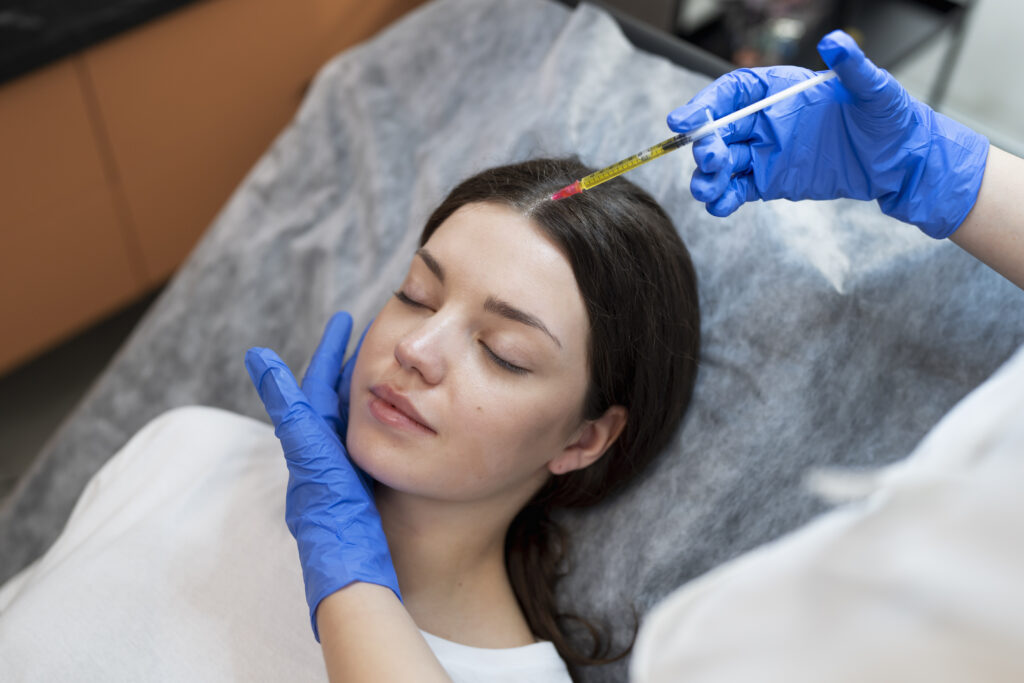
Stimulates hair growth: PRP can encourage the growth of new hair follicles by enhancing the health of the scalp and hair roots.
Thickens thinning hair: It is often used in patients with male and female pattern baldness to improve hair density and reduce hair shedding.
Non-invasive: Unlike hair transplants, PRP is a non-surgical, minimally invasive treatment.
For Injury Healing:
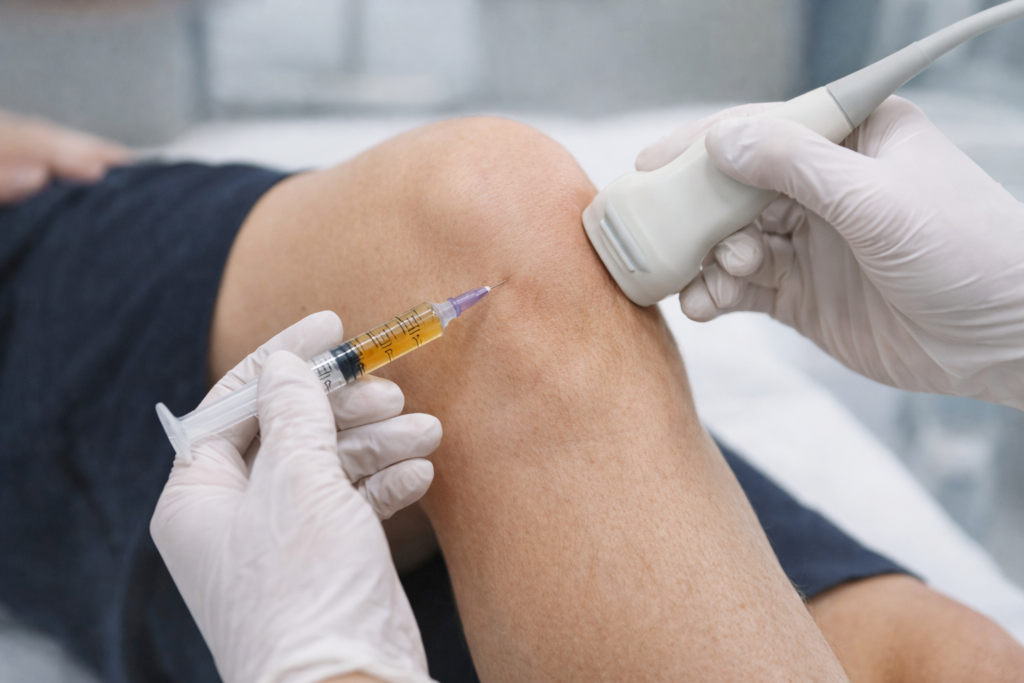
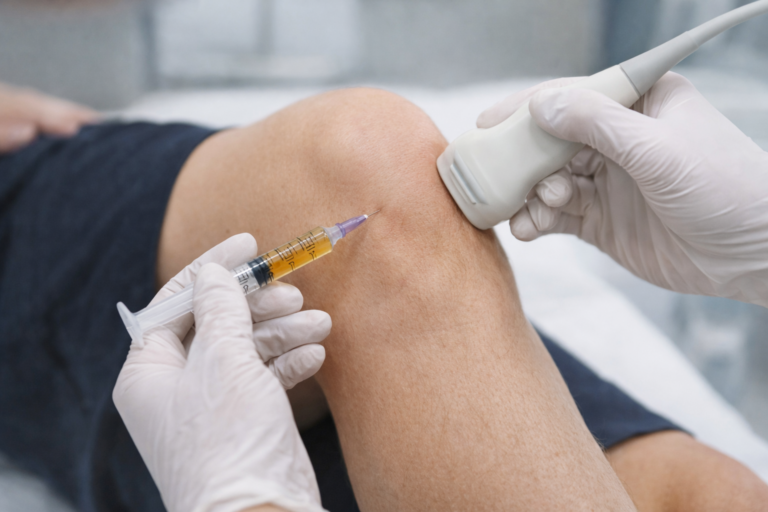
Reduces inflammation: PRP can be injected into joints or tendons to reduce pain and inflammation, especially in conditions like tennis elbow, arthritis, or ligament injuries.
Speeds up recovery: It helps in the faster regeneration of damaged tissues, encouraging faster recovery from sports injuries.
Treatment Process:
-
Consultation: The process begins with a consultation to assess whether PRP is suitable for your needs (skin, hair, or injury-related).
-
Blood Draw and Preparation: A blood sample is taken, and the PRP is prepared in the lab (takes about 15-20 minutes).
-
Injection/Application: The PRP is then injected into the desired treatment area or applied during a microneedling session for better skin absorption.
-
Follow-Up: Depending on the condition being treated, multiple sessions (usually 3-4 sessions) are often required, spaced a few weeks apart.
For Injury Healing:
Reduces inflammation: PRP can be injected into joints or tendons to reduce pain and inflammation, especially in conditions like tennis elbow, arthritis, or ligament injuries.
Speeds up recovery: It helps in the faster regeneration of damaged tissues, encouraging faster recovery from sports injuries.
Treatment Process:
Consultation: The process begins with a consultation to assess whether PRP is suitable for your needs (skin, hair, or injury-related).
Blood Draw and Preparation: A blood sample is taken, and the PRP is prepared in the lab (takes about 15-20 minutes).
Injection/Application: The PRP is then injected into the desired treatment area or applied during a microneedling session for better skin absorption.
Follow-Up: Depending on the condition being treated, multiple sessions (usually 3-4 sessions) are often required, spaced a few weeks apart.
THE HIPPOCRATIC OATH
“I WILL PREVENT THE DISEASE WHENEVER I CAN, FOR PREVENTION IS PREFERABLE TO CURE.”